Does not being able to walk make me a better writer? Or not playing guitar? Does having fewer options of ways to express myself make the mode of expression that I can do better? Have my talents all been shaken and ploughed into more fertile soil?
This is what I have been thinking about this week as my call with James Catchpole comes up, when we discuss Alice in Wheelchairland. I’m not worried about it, he’s already told me he thinks it can be published, it’s just a matter of how. So in the days before that, I’ve been reading other children’s books, planning the edits I will start on Alice in Wheelchairland next week, and I’ve been reading the selected essays of the author I most respect, Ursula K. Le Guin.
—
A response I’ve had to telling people that I am a children’s writer is “where do you get your ideas from?” So imagine my dawning moment of “Ohhhh!” when I read Ursula K. Le Guin’s essay ‘The Question I Get Asked Most Often, 2000/2003’ and she tells me that “the question fiction writers get asked most often is: Where do you get your ideas from?” She goes on to write about the combination of imagination and experience, the trance-like state of creating and the practising of craft. Like any skill, writers get better at writing by doing it.
This quote from the essay sticks out to me:
“So fiction writers are slow beginners. Few are worth much till they’re thirty or so. Not because they lack life experience, but because their imagination hasn’t had time to context it and compost it, to work on what they’ve done and felt, and realize its value is where it’s common to the human condition. Autobiographical first novels, self-centered and self-pitying, often suffer from poverty of imagination.”
I don’t know how true what she says is in relation to my own writing, but it seems like good confirmation that it was a very wise move for me to set aside Becoming Sweetwood, which reads more auto-biographically, and write Alice in Wheelchairland. I’m only 28 now, so in my head I still have plenty of time to let my experiences keep composting into imagination.
—
We had the call and discussed what I should do with Alice in Wheelchairland. I will now start to edit it next week, having had feedback from other friends as well. We discussed the themes and ways I can improve it. I really value James Catchpole’s opinion and he has said he will help me with any further pitching I do to other people.
I am suddenly flooded with all I need to do next. I usually put off thinking hard about plans until I have to. I do make them, but they’re very loose and undefined, until they are happening next week. I was coiling myself up for this call, ready to spring into action when ready.
This is the time in my life for maturing and composting my experience. While my experiences may not all be good experiences, they give me a better story. So is not walking better for the story?
.
.
.
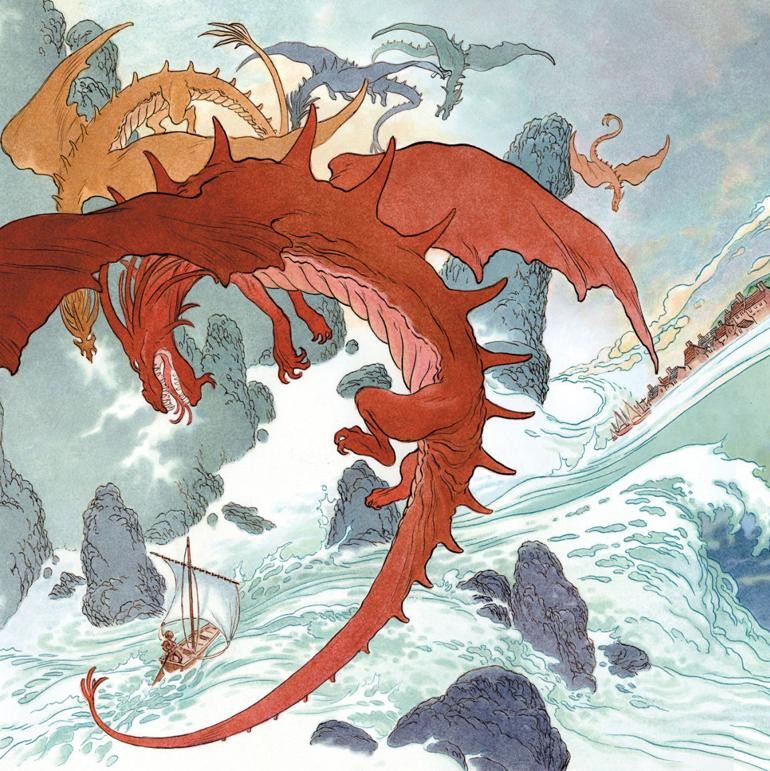
(Featured Image is Charles Vess’ cover for The Books of Earthsea: The Complete Illustrated Edition by Ursula K. Le Guin, 2018)
Discover more from Elizabeth Starr
Subscribe to get the latest posts sent to your email.

Published by
2 responses to “30. Plans and Preparation”
-
Interesting point about age granting better experience, on this I do agree!
-
Love the idea of composting in the creative process. So true!


Leave a Reply