I’ve just finished listening to Tom Felton’s memoir Beyond the Wand, an actor known for his work in the Harry Potter movies, and he mentioned his favourite theme in the series, that of choice, that is is the choices we make rather than the things we do that define us. This is a wisdom that can be communicated in countless ways to young people as they are growing up, along with other classic themes like how to deal with change, and the message “just be yourself,” that resounds no matter how cheesy the story comes across. The thing about growing up is young people are learning how to be adults. It almost doesn’t matter how they receive the messages to just be yourself, that change is inevitable and that choice one of the most powerful things you have as a human, as long as these messages are communicated, in book, film, song, dance, whatever. These themes are messages that still hit hard for adults, who are really just older children distilled in responsibility, independence and anxiety. I read the Harry Potter books a lot as a child. That definitely doesn’t mean they are the wisest books out there, but that they fulfilled something I was looking for. All adults will have words or stories that taught them things as a child, like Harry Potter did for me. You may not be able to remember the plot of a story, but chances are you can remember how it made you feel. I recently read an Oscar Wilde quote that has stayed with me as true. “It is what you read when you don’t have to that determines what you will be when you can’t help it.” I would extend this to all stories. You only really understand what stories have taught you when you are put in a situation with no other choice but to choose how you are going to respond. I really wasn’t thinking about Harry Potter when I became Disabled, but I am glad that I was an adult who had been a child who read stories.
—
Over the Christmas holidays, I’ve talked to several people who are grappling with the realities of change, of disability/disabiling illness. I’ve been thinking about the emotions of unexpected disability. I’m hardly the best person to lay out the psychological effects of a changing body, but this is just what I have observed in the last 5 years. I can tell you now there will be shame, rage and grief (all 5 stages of it). I think these are the big bad three emotions all the other ones fit into. It’s okay and normal to feel these things. But I’ve been thinking about what are the good feelings that a changing body can bring? These are more illusive, and often feelings you have to reach for and choose. I’ve written the big good three emotions as humility, love and wonder. Humility in experiencing how you are not the centre of the world and others can do things you can’t. Love for the people who care for you, those you know and those you don’t. Wonder at being alive, when the rage of why did this happen to me? and the injustice of I could have died! morphs into the gentle awe of why am I still here? When the choice floats in front of you to see change as a second chance.
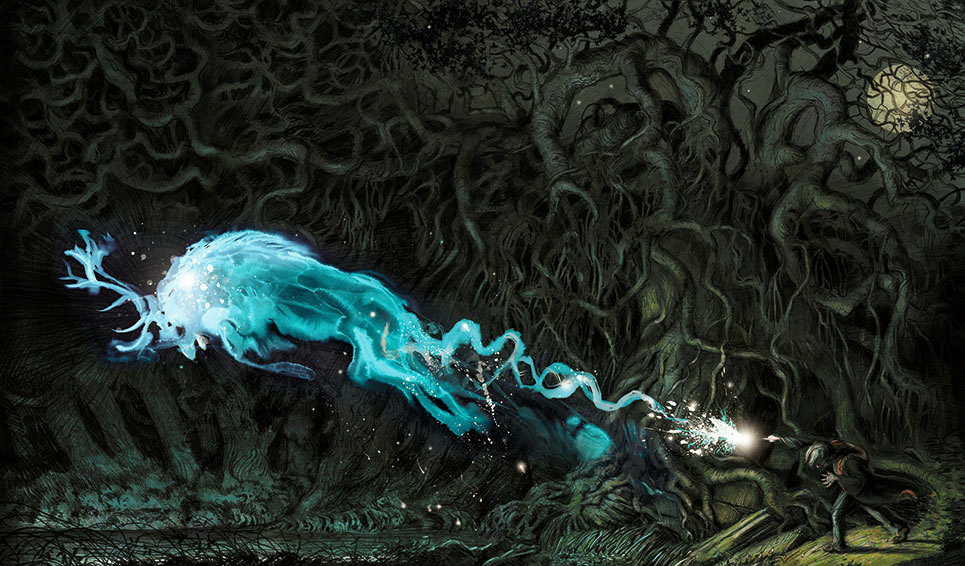
My friend texted me the other day to tell me that a study had been done that showed the part of the brain where you get anxiety from is the same part of your brain that feels gratitude and you can’t be anxious and grateful at the same time. This made me think about how people who become disabled often talk about the importance of gratitude. Not just disabled people, but lots of people who go through health struggles, mental and physical. Henry Fraser talks about it in his memoir The Little Big Things. So does Tom Felton in his. Gratitude is the end point of the big good three emotions I’ve made up, what humility, love and wonder boil down to. It’s like a patronus charm in Harry Potter. I know that it’s easy to talk about choice in hindsight: you can’t just choose to stop a health problem, but you can choose what to think about when you look back on it.
—
At the end of Beyond the Wand, Tom Felton says how he’s very aware that at 32, he’s not really lived enough yet to justify a “memoir.” But he wrote the book because he had to express the good things that came from the choices he made after reaching his lowest point. For me, I’m thinking about how to express wisdom and choice in my novel for young adults. I’m very aware that lots of children’s authors insert a mentor/parent figure into their novel in order to express to the reader the things they, as an adult, want to pass on to children. Thinking about this has made me evaluate what I make the parents say when I’m writing Becoming Sweetwood. These characters are very much not based on my own parents, though since there is no way I can not be influenced by my own parents, undoubtedly my characters will bear similarities to my experience of being parented. When I went to hospital with my brain haemorrhage I was an adult (I count 22 as adult enough!), and I was already full of plenty of stories and conscious of my own mental health and the things I might feel. But a 16 year old character will not be so mature. Oh well, I’m inclined to make her quite mature anyway. Maturity is not knowing what to do and how to think perfectly all the time. I think maturity is feeling your feelings, but knowing they will pass, and once they do, you have choices to make.
(Featured image is Jim Kay’s illustration of the Forbidden Forest from the illustrated edition of Harry Potter and the Prisoner of Azkaban, 2017)


Leave a Reply